For decades, Public-Private Partnerships (PPPs) have been defined by one dominant narrative: roads, ports, power, and large-scale infrastructure.
But that narrative is changing.
A quieter, more consequential shift is underway, one that is expanding PPPs into sectors once considered too complex, too sensitive, or too “non-commercial” for structured private-sector participation.
Humanitarian systems. Education. Reintegration.
These are no longer peripheral considerations. They are becoming the next frontier of PPP-led development.
Why PPPs Are Evolving
At their core, PPPs are designed to combine public mandate with private-sector efficiency, enabling governments to deliver services more effectively while sharing risk and unlocking capital. As noted by World Bank frameworks on PPPs, these models have historically thrived in infrastructure because assets are tangible, revenue streams are clearer, and performance is easier to measure.
However, the global development landscape is evolving rapidly. Governments are now confronted with rising fiscal constraints, expanding youth populations, fragile and post-conflict environments, and increasingly underfunded social systems.
In this context, traditional public funding models alone are no longer sufficient. Increasingly, multilateral institutions emphasise that PPPs can help governments “do more with less” by mobilising private capital and expertise while improving service delivery outcomes.
The Emergence of Non-Traditional PPPs
The most significant evolution is happening in sectors where outcomes are human-centred rather than asset-centred.
1. Education as a PPP Frontier
In education, PPPs are gaining traction as viable mechanisms for expanding access and improving quality. Research and policy guidance from institutions such as the UNESCO highlight the growing role of private-sector participation in strengthening education systems, particularly in developing and crisis-affected contexts. These partnerships are enabling governments to scale capacity more rapidly while maintaining accountability and performance standards.
2. Humanitarian Systems and Reintegration
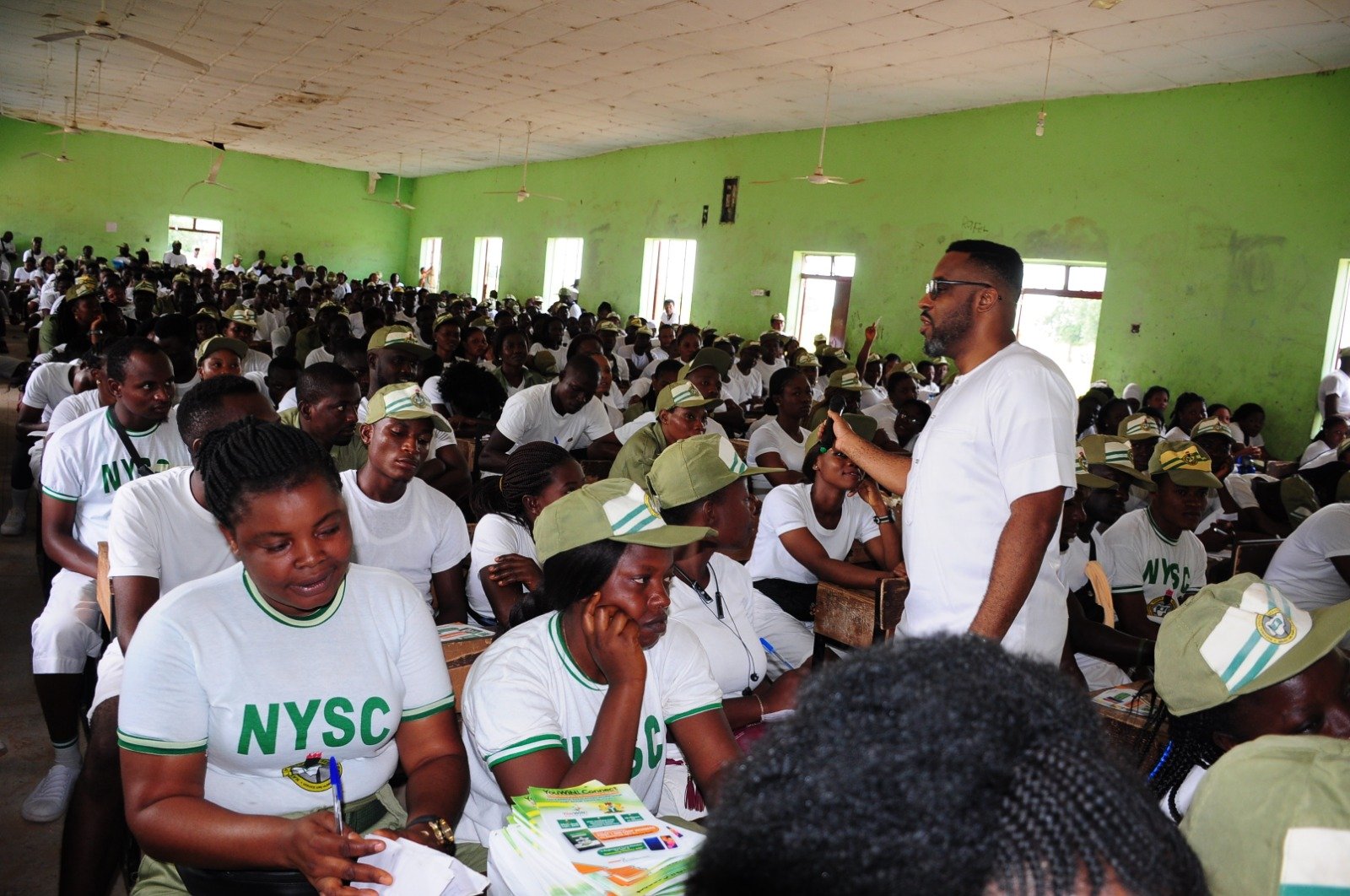
Even more significantly, PPPs are beginning to take root within humanitarian and reintegration ecosystems. This represents a notable departure from traditional approaches, which have historically relied on donor funding, short-term interventions, and often fragmented delivery structures. Yet the scale of need continues to expand.
Global development platforms, including initiatives supported by the International Institute for Sustainable Development, have highlighted the widening funding gaps in education and reintegration efforts within conflict-affected regions.
It is within this gap that PPPs are beginning to demonstrate relevance. By introducing structured financing, operational discipline, and long-term alignment, they offer a pathway to transition systems from aid dependency towards sustainable economic integration.
This is particularly critical in the context of Disengagement, Disassociation, Reintegration, and Reconciliation (DDRR) programming, where long-term success depends not only on social support but also on credible economic pathways.
The Complexity and Criticism of PPPs
That said, PPPs are not without their challenges. Concerns around misaligned incentives, weak contract design, transparency, and risk allocation are well documented across global PPP experiences. These issues have, in some cases, undermined confidence in PPP frameworks. Yet they do not invalidate the model itself. Rather, they underscore the importance of stronger institutional capacity, clearer governance structures, and more disciplined structuring.
When designed effectively, PPPs can allocate risk to the most capable parties, improve accountability through performance-based frameworks, and deliver long-term value that extends beyond political or fiscal cycles.
The question, therefore is not whether PPPs work. It’s how well they are structured and governed.
Africa’s Opportunity: From Infrastructure to Human Capital
For Africa, and particularly for countries such as Nigeria, this evolution presents a significant opportunity. The continent’s development challenge is no longer defined solely by physical infrastructure gaps. It is increasingly centred on human capital development, digital inclusion, skills acquisition, and economic reintegration, especially in fragile and conflict-affected regions.
These are precisely the areas where non-traditional PPPs can deliver transformative impact. However, they demand a different kind of private-sector engagement. Beyond capital, they require partners capable of designing ecosystems, aligning incentives across stakeholders, and operating within complex policy and social environments.
Positioning the Next Phase of PPPs
Across the region, a new category of private-sector actors is emerging those working at the intersection of:
- Policy
- Development
- Commercial structuring
Organisations such as LANI Group, through it’s entities are increasingly operating within this space, supporting engagements that span:
- Education systems development
- Cross-border reintegration frameworks
- Humanitarian-linked economic programmes
Through initiatives anchored by organisations such as AXIOM Learning Solutions, and complemented by the work of LANI Foundation and LANI Consulting (including LANI’s consulting work as an early leader in private sector-led humanitarian consulting and assistance programmes in conjunction with international development partners), this approach reflects a broader shift from isolated interventions towards integrated, partnership-driven systems.
Ongoing engagements across Nigeria and neighbouring countries, including Chad, Cameroon, and Niger, illustrate how the intersection of skills development, reintegration, and economic participation is becoming central to long-term stability and growth.
From Projects to Platforms
What ultimately distinguishes this new phase of PPPs is a fundamental shift in thinking. The focus is moving away from standalone projects towards enduring platforms:
- From projects to platforms
- From infrastructure to systems
- From funding to sustainability
Non-traditional PPPs are not simply about building assets. They are about building ecosystems.
Conclusion: The Future of PPPs Is Human-Centred
The future of PPPs, therefore, will not be defined by roads and bridges alone. It will be shaped by how effectively societies educate their populations, reintegrate vulnerable communities, and create inclusive economic opportunities.
This is where the next generation of partnerships will be tested, and where their impact will be most deeply felt.
PPPs were never intended to be static.
They evolve in response to the needs of society.
Today, that evolution is clear: The most important partnerships are no longer about what we built, but by who we enable.
Related articles: Structural and financing reform for Nigeria’s education sector.