Gridlocked in Lagos traffic on the eve of Art X Lagos’s 10th anniversary, I questioned whether the journey was worth it. Crawling through Victoria Island’s chaotic boulevards, the city felt almost unmanageable. But the moment I stepped under the fair’s striking canopy, its design echoing themes of resilience and transformation, I was drawn into a deeper reflection. It resonated strongly with the exhibition’s segment on mangroves, a powerful reminder of Lagos’s origins as a mangrove settlement and a poignant metaphor for adaptation, sustainability, and collective strength.
In that moment of wonder and release, the turmoil of the street was forgotten. It felt as if creativity itself had paid my fare. As Moja Rising proclaims, “creativity itself is currency, a tangible asset that enables individuals and communities to thrive economically through the authentic expression of culture and innovation”. I felt the truth of that conviction: our stories, our art, our songs are far more than personal fulfilment, they are economic capital.
Storytelling as Cultural Capital
Across Africa, storytellers and artists have long been custodians of memory. A people who tell their own stories refuse to forget who they are. As publisher Boubé Hama observes, “Books are a fundamental tool for preserving memory, transmitting values and building a strong cultural identity”. But storytelling isn’t limited to books: music, film, theatre, comedy and street art also knit together our heritage. When comedians like Churchill Ndambuki use laughter to flip stereotypes, or when Nollywood films project our daily lives globally, they are actively reshaping narratives. This cultural production is an asset. UNESCO notes that bolstering the creative economy is essential: a booming publishing sector alone could yield some $18.5 billion annually. Likewise, music, fashion and digital art, all vessels of African culture, fuel sustainable development. In short, when we craft our own stories we are minting new currency: cultural capital that can be traded, exported, and turned into jobs.
This is why organisations like LANI Group are investing in a “creative vertical”, incubating talent across art, film, fashion and media. Our new LANI Creatives platform, for instance, is “dedicated to promoting contemporary local art in all forms, showcasing the rich cultural diversity and creativity of artists”. Whether it’s sponsoring emerging designers or curating gallery exhibitions, LANI sees creative entrepreneurs as national assets. We believe that every painter, musician or actor is an entrepreneur-in-waiting. With training, mentorship and market access, a street dancer or an app-building youth can become a CEO of culture. The creative economies of South Africa and Nigeria exemplify this potential: Brookings reports that Nigeria’s fashion and film industries have incredible potential, with Nollywood’s global rise a case in point. Africa’s next wave of wealth may come from these studios and stages, not just from oil or agriculture. Creatives, then, are not a niche, we are a burgeoning asset class.
Investing in the Creative Renaissance
To the investors reading this: take note. The numbers are staggering. Africa’s creative sector is no longer fringe; it’s a powerhouse on the verge of exponential growth. “The potential of Africa’s creative sector to generate wealth and drive rapid economic transformation is undeniable,” wrote African Business in October 2024. Media giants like Netflix and Universal Music Group are already expanding here, and funds are pouring in. Private equity firm Silverbacks notes that creatives offer “one of the greatest chances for wealth creation and youth employment on the continent”. In practice, tech and art are converging: Silicon Valley-style exits now include African entertainment ventures, and rising stars like Afrobeats musicians and Nollywood filmmakers have global reach.
Yet too often, support stops at a check. Creative founders need more: they need guidance and infrastructure. The Ananse Africa collective discovered that signing designers up for orders is just the start. As founder Sam Mensah explained, granting market access exposed gaps in product quality, logistics, cash flow and tech skills. He found that succeeding required “a holistic structure, one that provided skills development, entrepreneurship support, and access to equipment and mentorship”. In other words, a startup accelerator for artists, not just one-off grants. Mentorship and coaching, as Kenyan comedian Churchill affirms, are critical for creative progress: “We need platforms for young people to showcase their talent and build their brands,” he says, adding that “mentorship and coaching are critical for the progress of these creatives. We need hubs to nurture talents”. Smart investors are already seeding such ecosystems, think incubators for fashion designers or matchmakers for filmmakers and funders. After all, when Dash stands for culture and heritage, the return on supporting storytellers can be immense.
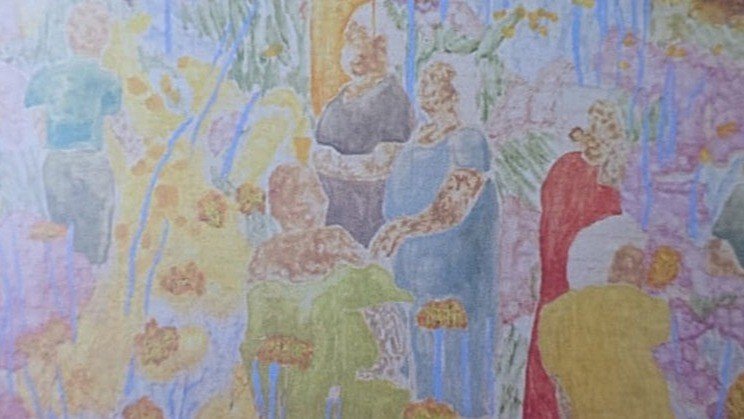
We learned that lesson the hard way ourselves: a few years ago I hesitated over a vibrant canvas priced at $12,000, only to find it gone the next morning. That “missed opportunity” stung as a warning. In this market, artworks once thought fringe suddenly fetch five-figure sums. (One contemporary painting at Art X Lagos 2024 was listed for exactly US$12,000.) Each creative venture is a gamble with high upside if backed properly. So to those with capital: invest boldly in Africa’s creative entrepreneurs. And do so with more than money, offer mentorship, open networks, share expertise. The payoff will be measured not just in profits, but in jobs, innovation and the pride of keeping our narratives in African hands.
Youth and the Power of Innate Talent
To the young people out there: listen up. You don’t need a degree to validate your genius. Our continent brims with talent born out of passion and necessity. The CCIs (cultural and creative industries) have “fewer barriers to entry,” Brookings points out, and employ “a younger and more diverse workforce,” making them fertile ground for anyone with drive. Consider the dancer who learned choreography on YouTube or the coder who taught herself Python by playing video games. These are tomorrow’s industry leaders. Africa’s youth, 70% of our creatives are under 35, are already driving a boom. Technology means a kid in Nairobi can livestream art classes; a teen in Lagos can drum up a global fanbase. Nigerian and Ghanaian musicians show how even grassroots talent can influence entire genres worldwide.
Yet society still insists: “Get good grades, then worry about passion.” We must challenge that narrative. Creative skills (from visual art to stand-up comedy) are real skills that can be monetized. Churchill’s example is instructive: he built one of East Africa’s largest comedy brands by giving other young performers a stage. And every week, millions tune in. Similarly, filmmakers in Kigali are now recruited internationally from Rwanda’s film hubs; local storytellers in Dakar are using mobile platforms to reach viewers in Europe and America. These youths aren’t waiting for permission to create value, they are building it. Formal education systems must catch up by recognizing creative talent as a valid career path, and society must celebrate the next rapper, designer or animator, not stigmatise them.
Policy and Infrastructure: Building the Foundation
Finally, to policymakers and leaders: your role is pivotal. The creative economy is a rising tide that can lift all boats, but it needs enabling policies and infrastructure. Experts estimate that with the right investments, policies, and training, Africa’s creative industries could generate over $20 billion a year and create 20 million jobs by 2030. Yet too many governments remain on the sidelines. A recent analysis found that only 12 of Africa’s 55 countries have even a national creative industry strategy. That means the vast majority of artists get no support at all. This must change.
Governments should extend broadband and training into rural areas so young creators can stream and sell globally. They must strengthen intellectual property laws and digital distribution channels to protect musicians, filmmakers and designers. Creative arts need better financing mechanisms, low-cost loans and grants targeted to culture, and public programmes should expand. As Moja Rising’s manifesto urges, we need “integrated policy frameworks” that build studios, preserve heritage and knit together markets across countries. Lagos’ own Art X Lagos, for example, has partnered with the ministry and private sponsors to institutionalise support for art fairs and mentorship programmes.
UNESCO rightly observes that creativity is not a nice-to-have but “a powerful driver of sustainable development”. Afrinic and Afreximbank leaders have similarly called for cultural and creative industries to be treated as frontier sectors for growth. The Brookings Institution concludes that growing Africa’s CCIs offers unique economic advantages, it creates jobs, spurs social equity and even feeds into education and tech innovation. In practice, this means legislating for maker spaces, backing film funds, and championing AfCFTA’s Creative Economy agenda. As Churchill put it on the eve of AfCFTA, removing trade barriers will help “Africans to distribute widely, change their global narrative and exit the poverty cycle”.
The time to act is now. Policymakers must treat our creative class as partners in progress. Set quotas for local content, exempt creative startups from burdensome taxes, and integrate arts into economic plans. Remember: the creative economy already supports tens of millions globally, and half of those are women, investing here also fuels gender equity. If we move decisively, Africa’s artists and entrepreneurs will repay that trust manyfold. As LANI’s initiative underscores, by “institutionalising creativity as currency,” we can create sustainable livelihoods for generations.
Creativity is Africa’s new currency, and it’s our most indigenous asset. Every song, every painting, every story written and filmed by Africans should be seen as valuable wealth. To everyone here, creators, investors, young people, legislators, I say: let us put our collective muscle behind this truth. Invest in imagination. Legislate for culture. Champion African creativity in boardrooms and parliaments. Because when we do, we are not only mining economic value; we are asserting our right to tell our own story, to define our identity, to build prosperity on our terms. Creativity is power, pride and independence all in one. Let us spend it wisely.
References:
Bruce Onobrakpeya, Nengi Omuku, The Cavemen to feature in 10th Edition of ART X Lagos – https://www.premiumtimesng.com/entertainment/830240-bruce-onobrakpeya-nengi-omuku-the-cavemen-to-feature-in-10th-edition-of-art-x-lagos.html
Moja Rising: Creativity as Currency unlocking Africa’s economic future – https://african.business/2025/10/partner-content/moja-rising-creativity-as-currency-unlocking-africas-economic-future
UNESCO launches new initiatives for creativity | UNESCO – https://www.unesco.org/en/articles/unesco-launches-new-initiatives-creativity
Creatives, LANI Group – https://lanigroup.com/creatives/
The outsized potential of the cultural and creative industries in Africa | Brookings – https://www.brookings.edu/articles/the-outsized-potential-of-the-cultural-and-creative-industries-in-africa/
How Africa’s creative economy is driving transformation – https://african.business/2024/10/long-reads/how-africas-creative-economy-is-driving-transformation
Africa’s creative economy takes centre stage – https://african.business/2025/11/arts-culture/africas-creative-economy-takes-centre-stage-2
Using comedy to tell the African story | Africa Renewal – https://africarenewal.un.org/en/magazine/using-comedy-tell-african-story
EVA OBODO (NIGERIAN) | It is Written II (2024) | Available for Sale | Artsy – https://www.artsy.net/artwork/eva-obodo-nigerian-it-is-written-ii
By Ani Bassey-Eyo